tokyo, japanleadership training2019Leadership Training - Tokyo, Japan
[ OVERVIEW ]In 2019, I traveled to Tokyo for Pratt Institute’s Catalyst + Unsettled Leader Learning Journey - a week-long immersion designed to expand creative leadership capacity through cross-cultural experience, reflection, and strategic meaning-making. Across eight days, our cohort explored design innovation, robotics, publishing, contemporary art, and the deep philosophical underpinnings of ikigai, by visiting award-winning design, technology, editorial studios and hubs. Guided by faculty and new friends from my alma mater Pratt Institute, esteemed cultural practitioners and local experts in Japan, I navigated Tokyo and other cities not only as a visitor, but as a leader-in-training. In practice, this looked like bridging introspection with action, and grounding my creative practice in tools that deepen humanity in an increasingly technological world.
Training Details - Tokyo Training
Goal
Discover leadership frameworks and unique creative toolkit
Activities
Immerse in Japanese creative cultures and partnerships
Pratt Catalyst and Unsettled Leader Learning Journey
Course
[ HIGHLIGHTS ]The Future-Ready Leader: Lessons from Tokyo’s Meaning-Making Innovation Culture
Strategic Agency
The program’s reflective frameworks—Ikigai, the Value Triangle, and strategic agency exercises—invited us to translate personal purpose into leadership intention. Through guided conversations and daily check-ins, I mapped what I love, what I’m good at, what the world needs, and how to move toward meaningful work. The rigor of these tools pushed me to articulate a 360-day vision of impact, anchoring my career in clarity and intentionality.
Cultural Immersion
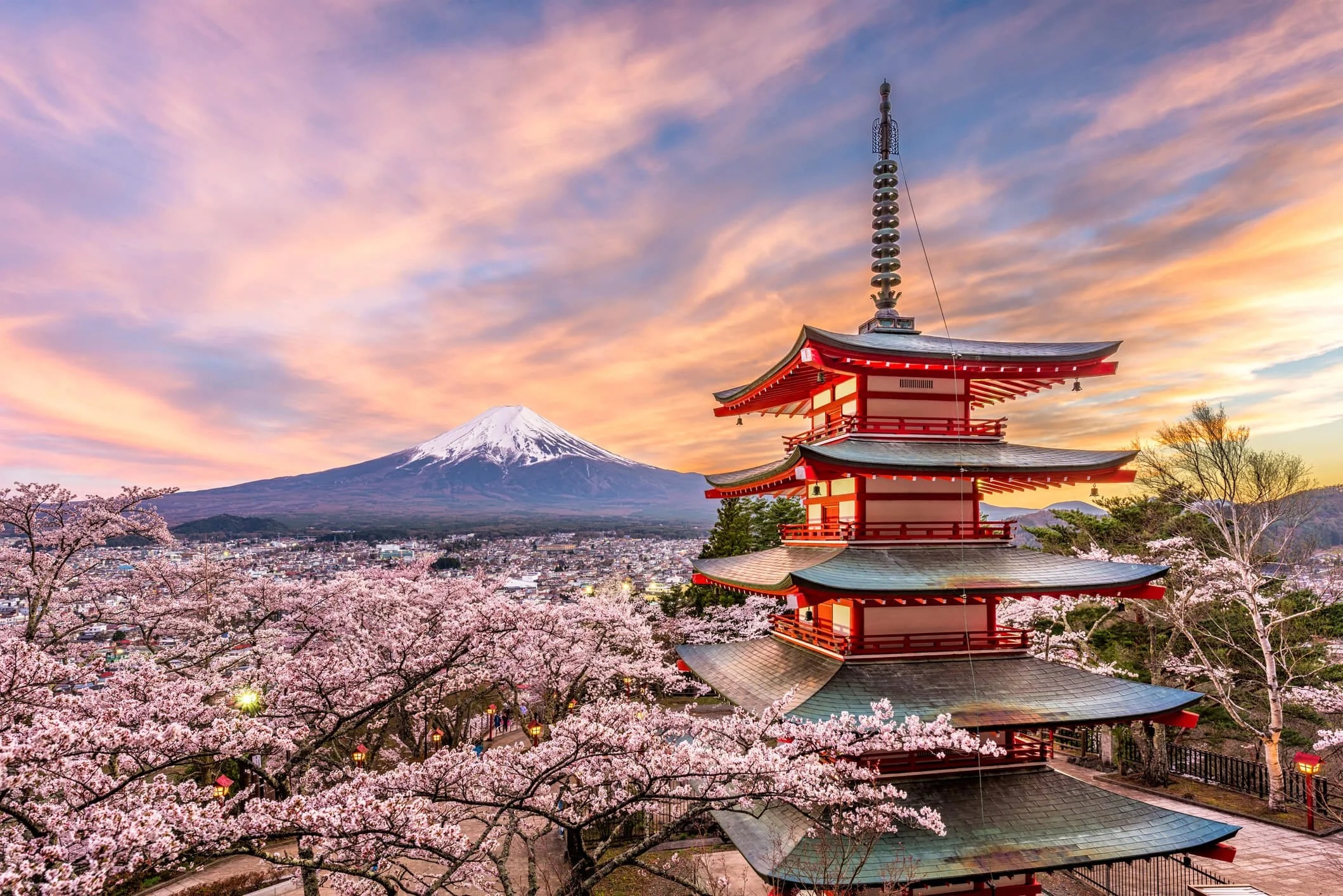
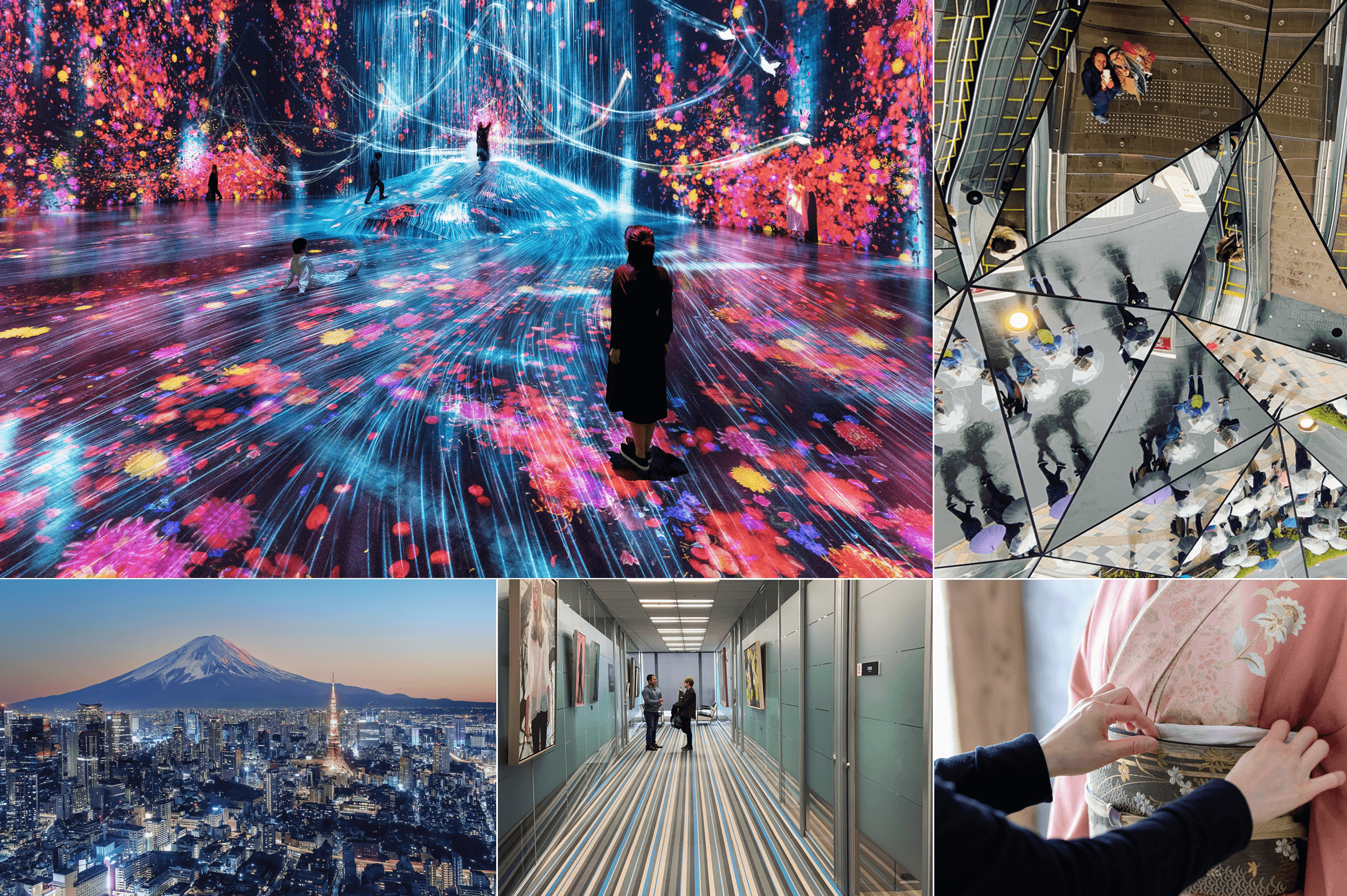
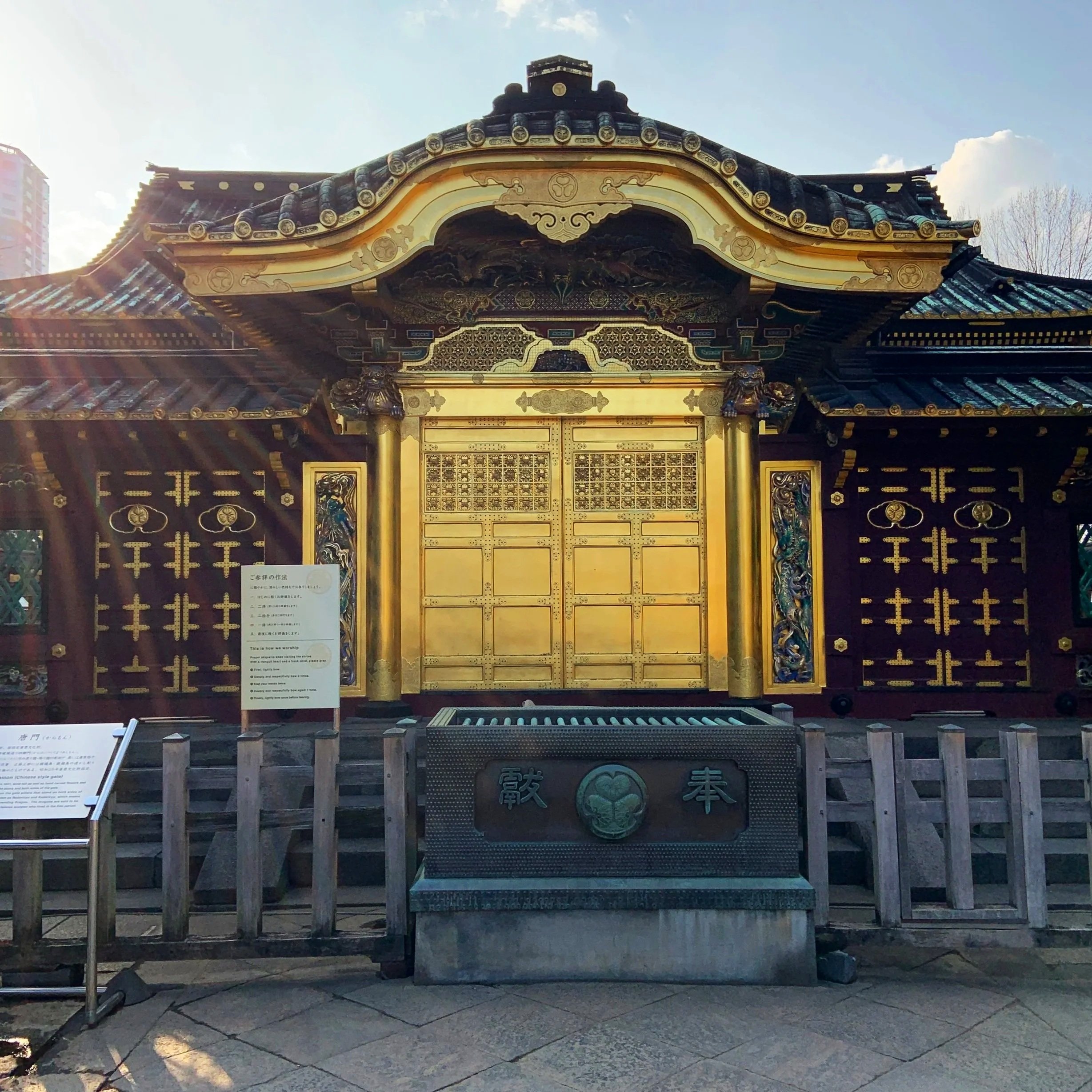
Tokyo became both classroom and catalyst. Our explorations across Shibuya, Roppongi, Nezu, and Kamakura revealed how Japanese culture moves between precision and play, tradition and futurism. Visits to temples, museums, design hubs, and neighborhood markets exposed the cultural rhythms that shape Japanese ways of making, leading, and imagining—teaching us that innovation is inseparable from context.
Technology and Humanity
Sessions with leaders at Digital Garage, Osaka Institute of Technology, and the Blade Library challenged my assumptions about the role of technology in society. Japan’s approach—using robotics, design, and digital systems to enhance human connection rather than replace it—reshaped my understanding of responsible innovation. Conversations with engineers, publishers, and technologists revealed a future where empathy, accessibility, and care sit at the center of technological progress.
Meaning-Making
Throughout the week, structured reflection was as important as the itinerary itself. Daily “Reflection & Conversations” sessions helped us turn experience into insight: cultivating wonder, confronting resistance, and defining the leader each of us was becoming. These moments grounded the journey in personal relevance, ensuring that learning didn’t stay in Tokyo, but continued shaping how we work, collaborate, and make meaning in our own communities.
Training Highlights
■
Design Leadership in a Future-Focused Culture
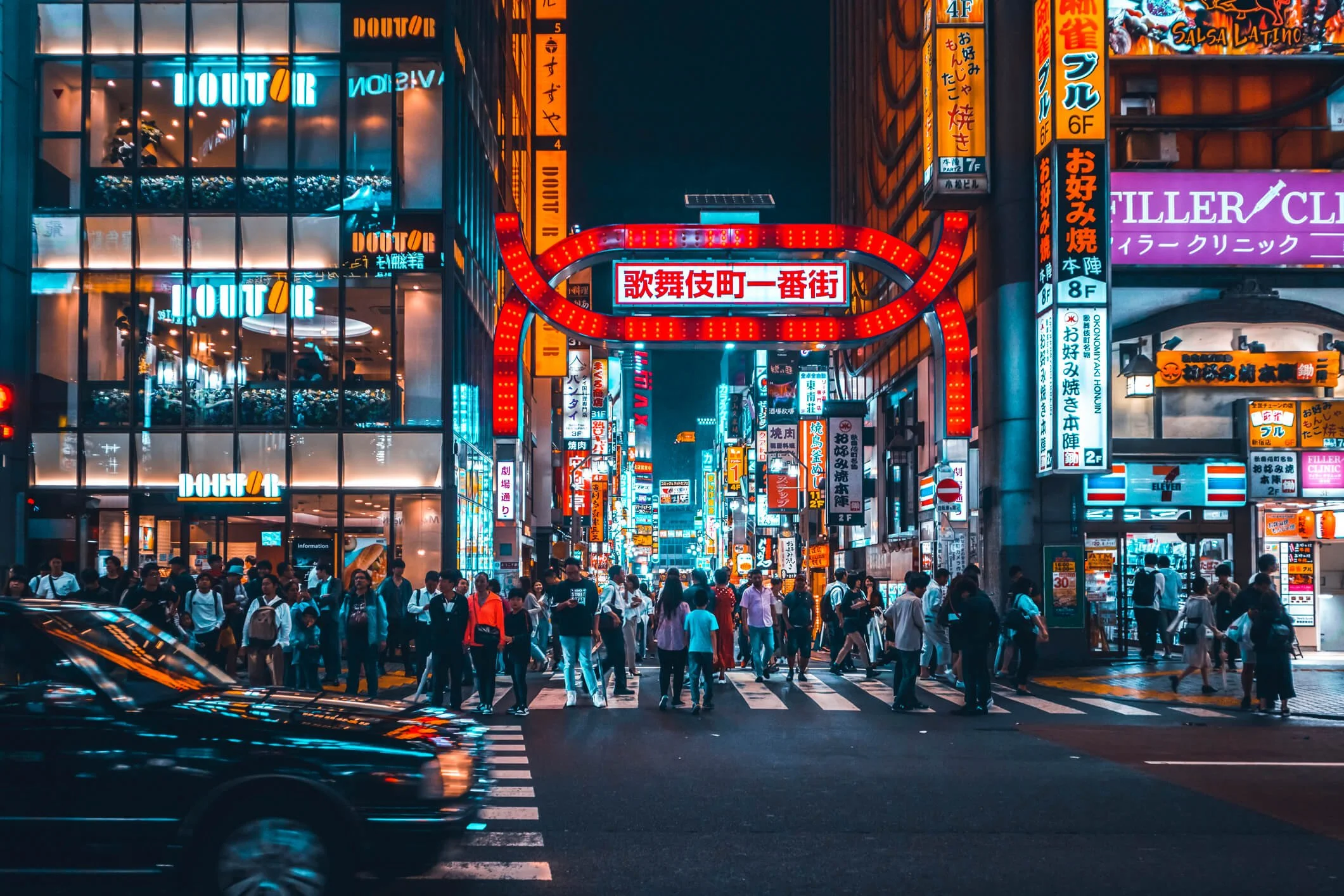
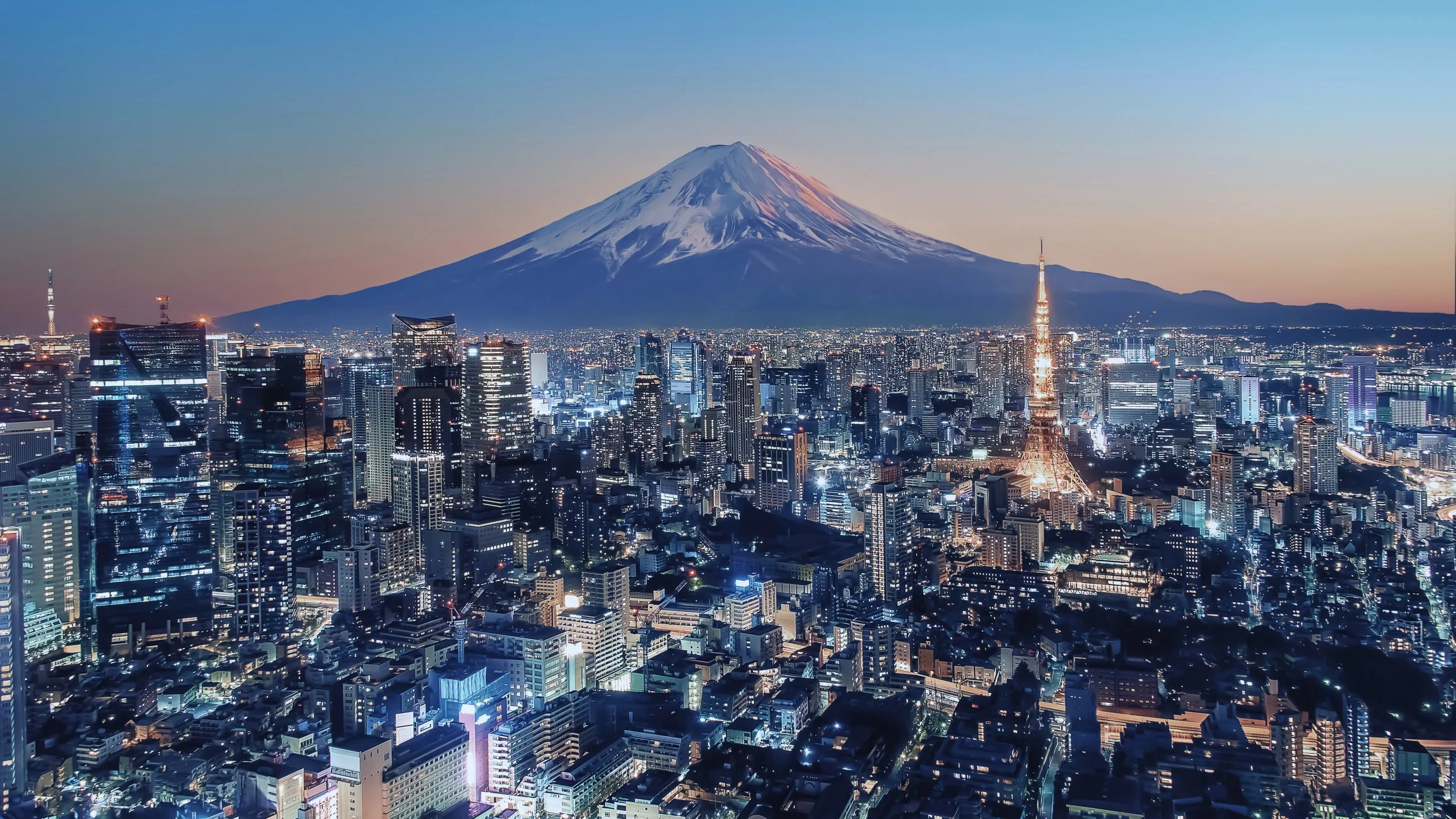
Tokyo is a city where contradictions coexist gracefully: neon and temples, bullet trains and quiet side streets, anime culture and minimalist tea houses. It is also a place where the future is not an abstract idea—it is embedded in infrastructure, everyday rituals, and how people relate to technology and one another.
Choosing Tokyo as a learning lab meant stepping into a context where resilience is lived daily—through earthquakes, dense urbanization, and the realities of a “sinking city” in a warming world. The program intentionally placed us inside this tension: waterfront explorations, museum visits, neighborhood walks, and conversations about climate, technology, and culture invited us to see leadership as something that must be both locally grounded and globally aware.
For me, this journey was not tourism; it was a design brief. How might I lead in a way that honors culture, centers humanity, and still embraces the tools of innovation—especially as my work crosses climate, technology, and systems-level change?
Core frameworks that shaped my definition of leadership
By the end of the journey, I felt less like I had “visited” Tokyo and more like Tokyo had rearranged something inside me. The structured reflections—“A Note to the Future,” agency mapping, climate and influence assessments, and meaning-making sessions—helped me see my leadership not as a fixed identity, but as an evolving practice.
I left with a clearer sense of direction: to use design, storytelling, and strategy to shape meaningful work at the intersection of climate, technology, and culture. That intention now lives in my choices: the organizations I collaborate with, the products I help bring into the world, and the way I build teams and communities around shared purpose.
-
One of the central frames of the journey was ikigai—the intersection of what you love, what you’re good at, what the world needs, and what you can be paid for. We didn’t treat it as a pretty Venn diagram; we worked with it as a serious strategic lens. I mapped my own ikigai as a leader who sits between design, sustainability, climate innovation, and communications—asking where these threads converge into truly meaningful work. That exercise clarified not just what I can do, but what I must do if I want my work to be regenerative for both people and planet.
-
Agency—the willingness and ability to take action—was another anchor. Through guided reflections and “Draw it for me—what does success look like 360 days from now?” prompts, I translated abstract intention into concrete moves. I sketched projects, collaborations, and experiments I wanted to launch within a year. That practice of turning insight into timeline and task has stayed with me and now lives in how I design climate campaigns, product narratives, and cross-functional roadmaps.
-
The journey emphasized that leaders are, above all, meaning-makers. We used tools drawn from design management, systems thinking, and organizational psychology to reflect on our roles within larger ecosystems. In my climate work, systems thinking is not optional; it’s the only way to understand how policy, finance, technology, culture, and ecology interlock. Emerging research reinforces this: systems thinking is described as “crucial to address sustainability challenges and an agenda for sustainable development.” (ScienceDirect ). This alignment between scholarship and lived experience continues to shape how I approach climate-tech storytelling and strategy.
-
We also explored how values show up in practice: in team climate, feedback cultures, and strategic influence. Using tools like the Value Triangle, FIRO-B, Myers-Briggs, climate and influence inventories, and the Johari Window, we examined how we show up to others, how we’re perceived, and where blind spots live. This deepened my commitment to create team environments that are both high-performing and deeply human—spaces where rigor, risk, and care can co-exist.
Immersive Learning Catalysts
Tokyo taught me that leadership is less about having all the answers, and more about asking better questions—about systems, about culture, about the futures we’re willing to build. It reminded me that cities, like organizations, are living prototypes of what we value and what we’re willing to protect.
This journey didn’t give me a script; it gave me a practice: to design, decide, and lead in ways that honor both the fragility and the possibility of life on this planet.
-
Our time with Digital Garage, the Osaka Institute of Technology, the Blade Library, and teamLab Borderless revealed a distinctly Japanese approach to innovation: technology as a bridge, not a barrier, to human connection.
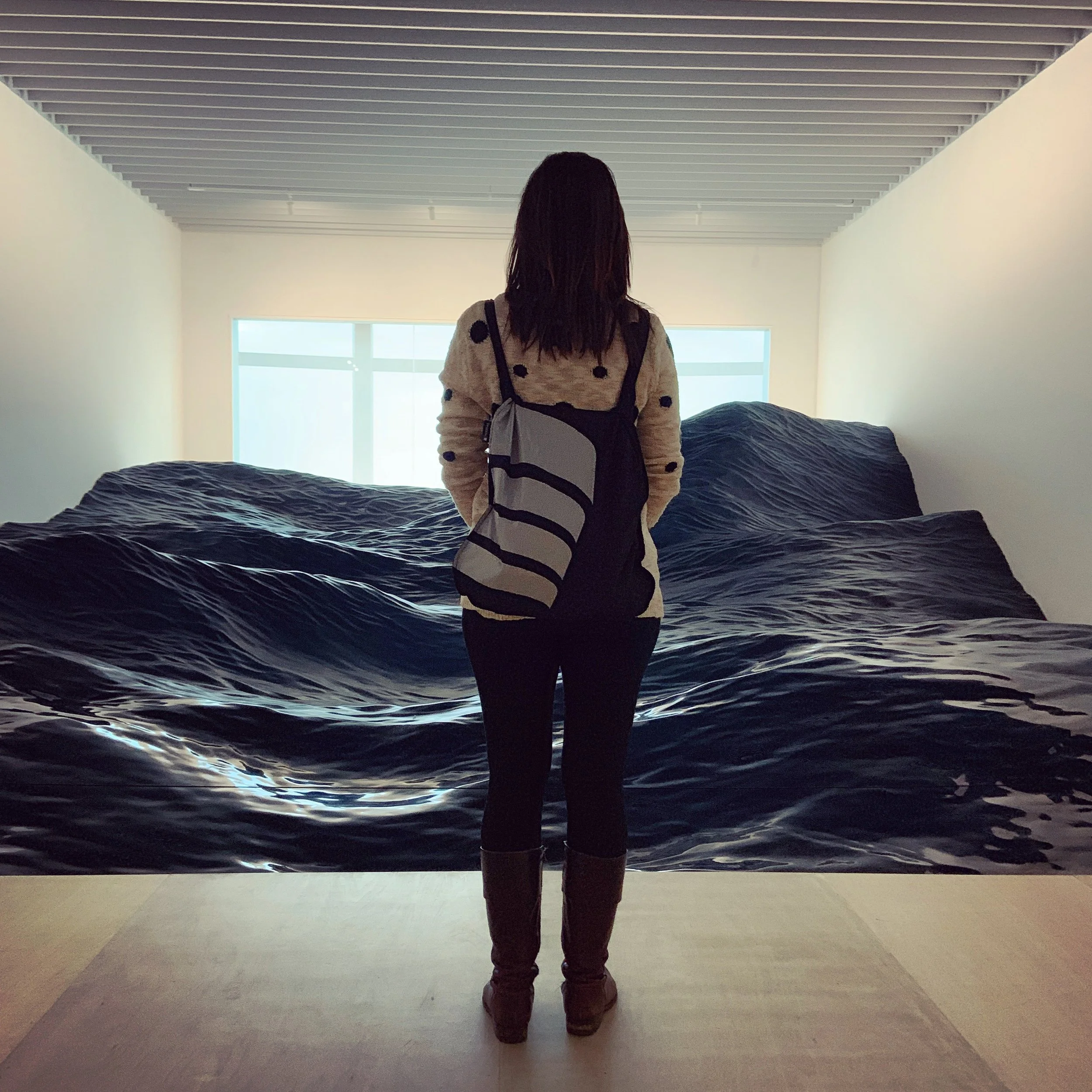
At the Blade Library, we saw how running blades—prohibitively expensive for many—are made accessible through a shared library model. This wasn’t just about prosthetics; it was about dignity, agency, and joy made possible through design and collaboration. At teamLab, digital art dissolved the boundary between viewer and environment, inviting us to move, touch, and co-create ephemeral worlds with light and sound.
These experiences sharpened a conviction I carry into climate tech and AI today: the most powerful technologies are those that deepen our humanity, expand access, and restore agency.
-
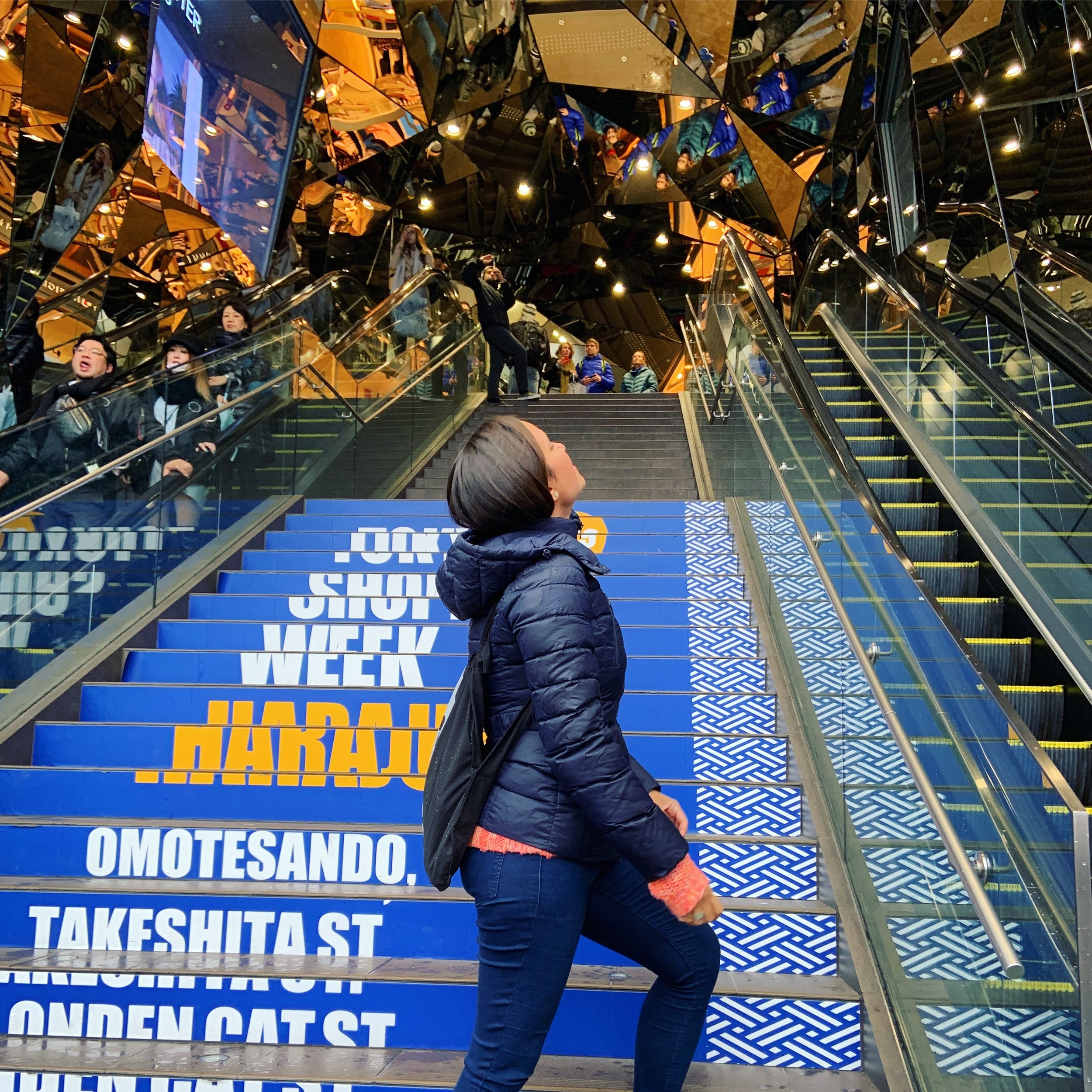
From Shibuya’s sensory overload to Kamakura’s quieter, temple-lined streets, Tokyo invited constant shifts in pace and perspective. We navigated subway systems, local cafés, waterfront developments, historic districts, and dense commercial centers. Each space carried its own unspoken rules—and required us to listen, observe, and adjust.
This kind of cultural literacy is more than “nice to have” in global sustainability work; it’s a strategic advantage. Leading climate projects across Latin America, the Caribbean, and Europe, I’ve seen how solutions take root differently depending on local histories, stories, and power structures. Tokyo sharpened my ability to notice those nuances quickly, and to design communications, partnerships, and strategies that respect context instead of imposing a one-size-fits-all approach.
-
Woven through the week were deliberate invitations to cultivate wonder—through art, architecture, everyday street life, and structured reflection. Our “Cultivating Wonder” session came late in the journey, when our minds were full and our bodies tired. Instead of pushing for more productivity, we were asked: What did we experience as “wonder-full”? What do we want to offer back—to each other, and to Japan?
That simple reframing changed something for me. In a world that values speed and efficiency, wonder can feel indulgent. But in practice, it is what keeps leaders open, curious, and able to imagine alternatives. Today, as AI and automation reshape work, creativity and curiosity are increasingly recognized as essential to thriving in the AI era—not just as “soft skills” but as strategic ones. TIME
-
Visits to design institutions and museums, including the Japan Institute of Design Promotion and key modern art and architecture sites, highlighted how design is treated in Japan not only as aesthetics, but as a social and cultural force.
We explored spaces that embodied this philosophy: environments where light, sound, material, and narrative shaped behavior and emotion. It reinforced my belief that design is one of the most powerful bridges we have—linking policy to lived experience, science to story, and global issues to personal action. This insight has been foundational to how I approach climate communication and life-centered design: as an act of translation between worlds that don’t always speak the same language.
-
Our waterfront explorations and reflections on “A Sinking City in a Floating World” brought climate resilience to the forefront. Tokyo, like many coastal cities, lives with the reality of rising seas, aging infrastructure, and complex social vulnerabilities. Yet the response is not panic—it is continuous adaptation.
This mirrored what I see globally: climate change is not a distant scenario; it is an operating condition. Current work on systems thinking and sustainability emphasizes the need to “see the bigger picture and envision a sustainable human society,” moving beyond narrow, end-of-pipe solutions. ScienceDirect Tokyo gave me a visceral, city-scale example of what that mindset looks like in practice.
How This Journey Informs My Work in Sustainability & Climate Innovation Today
Design for a More-Than-Human Future
This journey reinforced a life-centred design lens: considering not just human needs, but ecosystems, species, and future generations in how I design campaigns, products and partnerships.
Leadership in the Age of AI
As AI becomes pervasive, ethical leadership and human-centred design are indispensable. The Pratt CEL program says we must “design new strategies that serve our communities, cultures, businesses, and biosystems.” Pratt Institute I now bring this bridge between tech and human values into my climate-tech work.
Climate Action, Carbon Removal & Systemic Change
My work in enhanced rock weathering, reforestation and Blue Economy strategy is grounded in a systems mindset and cultural awareness reinforced by Tokyo. Complexity no longer intimidates—it informs.
Cross-Sector, Cross-Cultural Collaboration
The Tokyo cohort included designers, technologists, cultural practitioners and strategists. Leading global, multi-stakeholder initiatives today, I bring that same fluency: convening across academia, NGOs, start-ups, governments and communities.