uvita, costa ricabiomimicry trainingdec 2015Biomimicry Immersion - Costa Rica
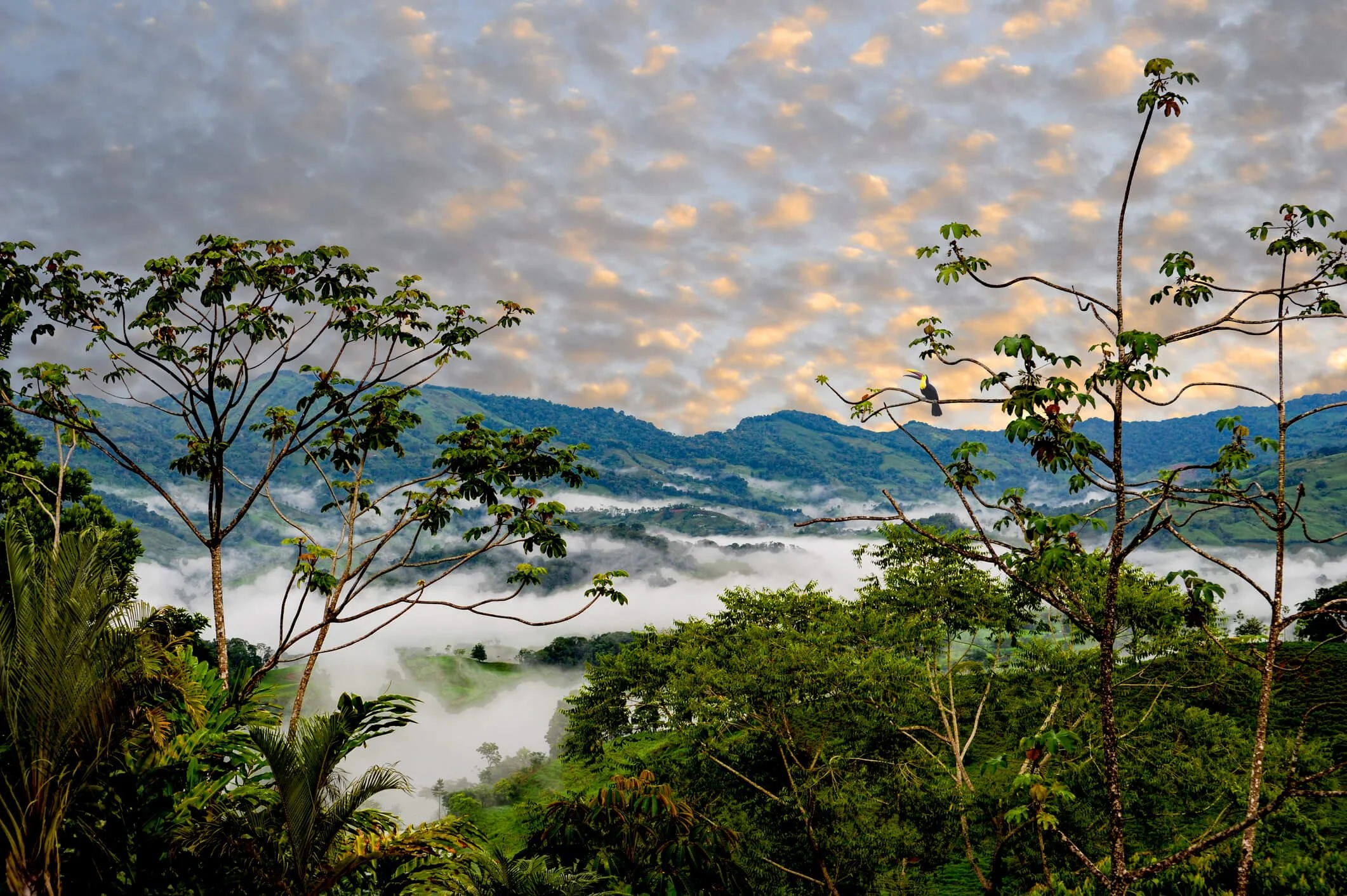
[ OVERVIEW ]When I travelled to Uvita, Costa Rica for a Biomimicry 3.8 immersion program, I found myself feeling a deep sense of belonging and “homecoming”. Somewhere between rainforest, mangroves, coral reefs, and the high paramo (cloud forest), the training challenged me in every way. I felt a deep kinship with the people and ecosystems that I spent that week with though. Some of the lessons I learned continue to anchor how I lead teams and navigate complexity, and who better than nature to have as mentor? The experience of Discovering Nature’s Genius became a masterclass in the type of leadership our era demands: one rooted in curiosity, responsiveness, but most importantly, the courage to learn directly from the world we are trying to protect.
Training Details - Biomimicry
Goal
Immerse in 3.8 billion years of nature’s principles
Activities
Study tropical ecosystems and their strategies
Discovering Nature’s Genius
Course
[ HIGHLIGHTS ]Discovering Nature’s Genius in Costa Rica, and how life has adapted for 3.8 billion years
Life’s principles and leadership
Nature demonstrates billions of years of success through its guidelines - evolve to survive, integrate development with growth, be locally attuned and responsive. These principles have become leadership tools I reference and adapt in team building and brand transformation as change management.
Adaptability at many scales
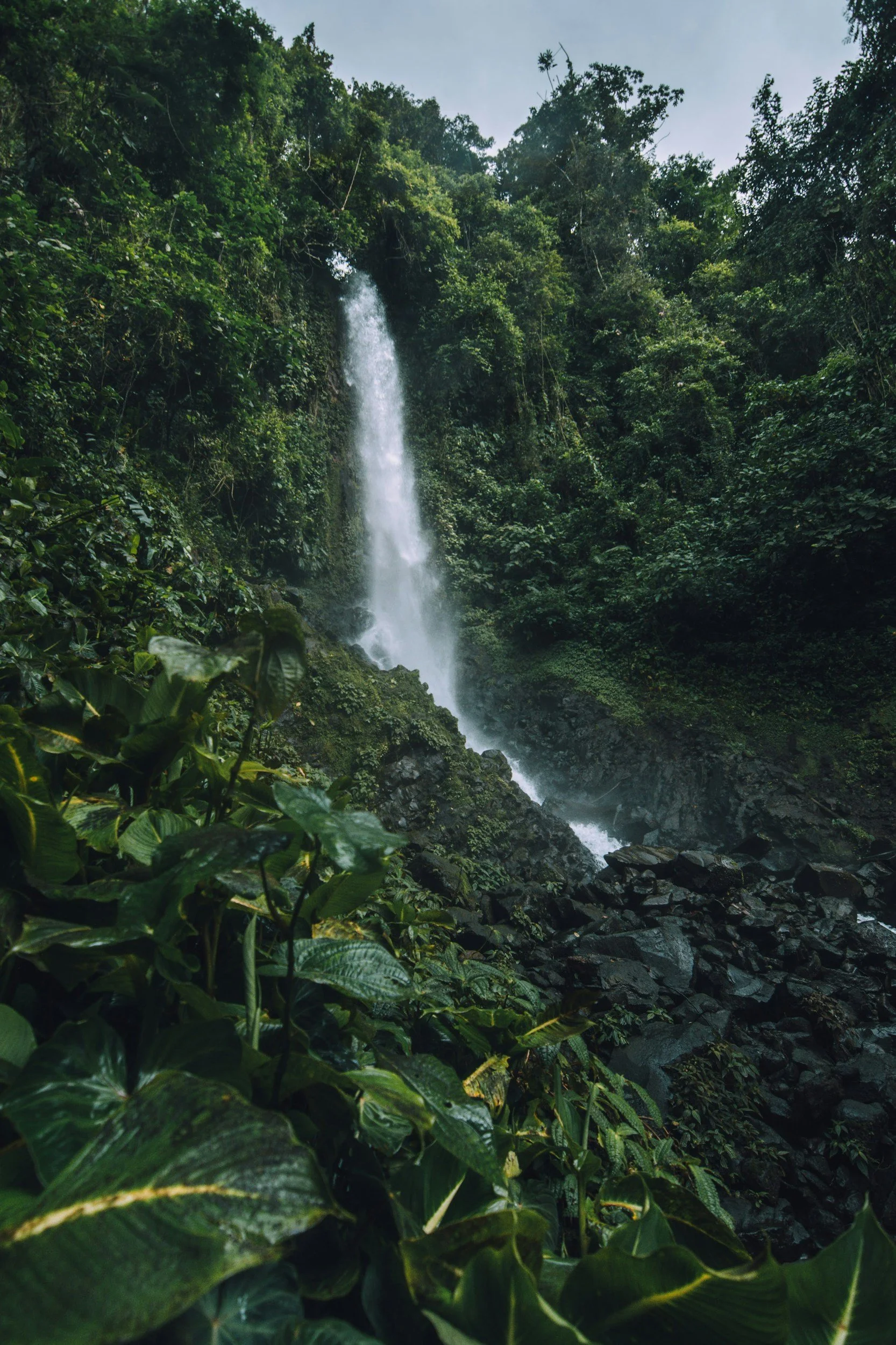
Moving between radically different ecosystems of rainforest, mangroves, coral reefs, intertididal zones, and the 11,000 ft cloud forest, gave me a visceral understanding of adaptation. Each space responded to constraints with efficiency and I now carry this into product-marketing and strategy work.
Courage to go to the frontier
Trekking through humid rainforests and studying endemic species in cloud-forest developed grit and discomfort. I realise that this is one of the pivotal experiences that developed my ability to get comfortable with ambiguity. Now, years later instead of analysing from afar, I go to the field, speak directly with stakeholders, and immerse myself in the realities I’m designing for.
Leading from presence
When I was on this expedition, I got to see the true face of Costa Rica. Days began before sunrise, often to the cries of howler monkeys in the surrounding rainforest. The biggest of shift was from digital noise to embodied awareness - it reinforced that focused presence as a superpower.
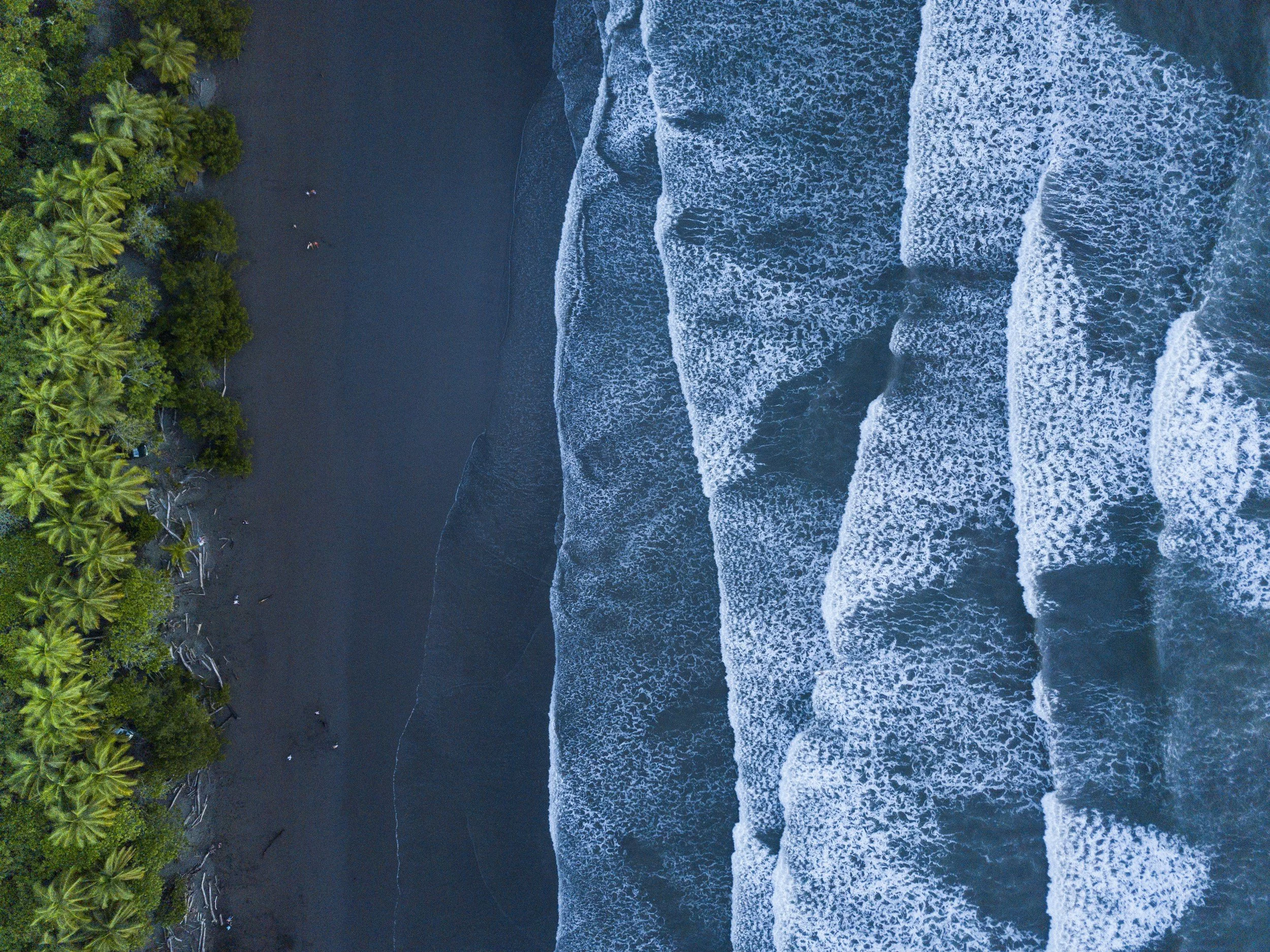
Deep immersion in a biodiversity powerhouse
■
A living classroom for learning how to lead in complexity
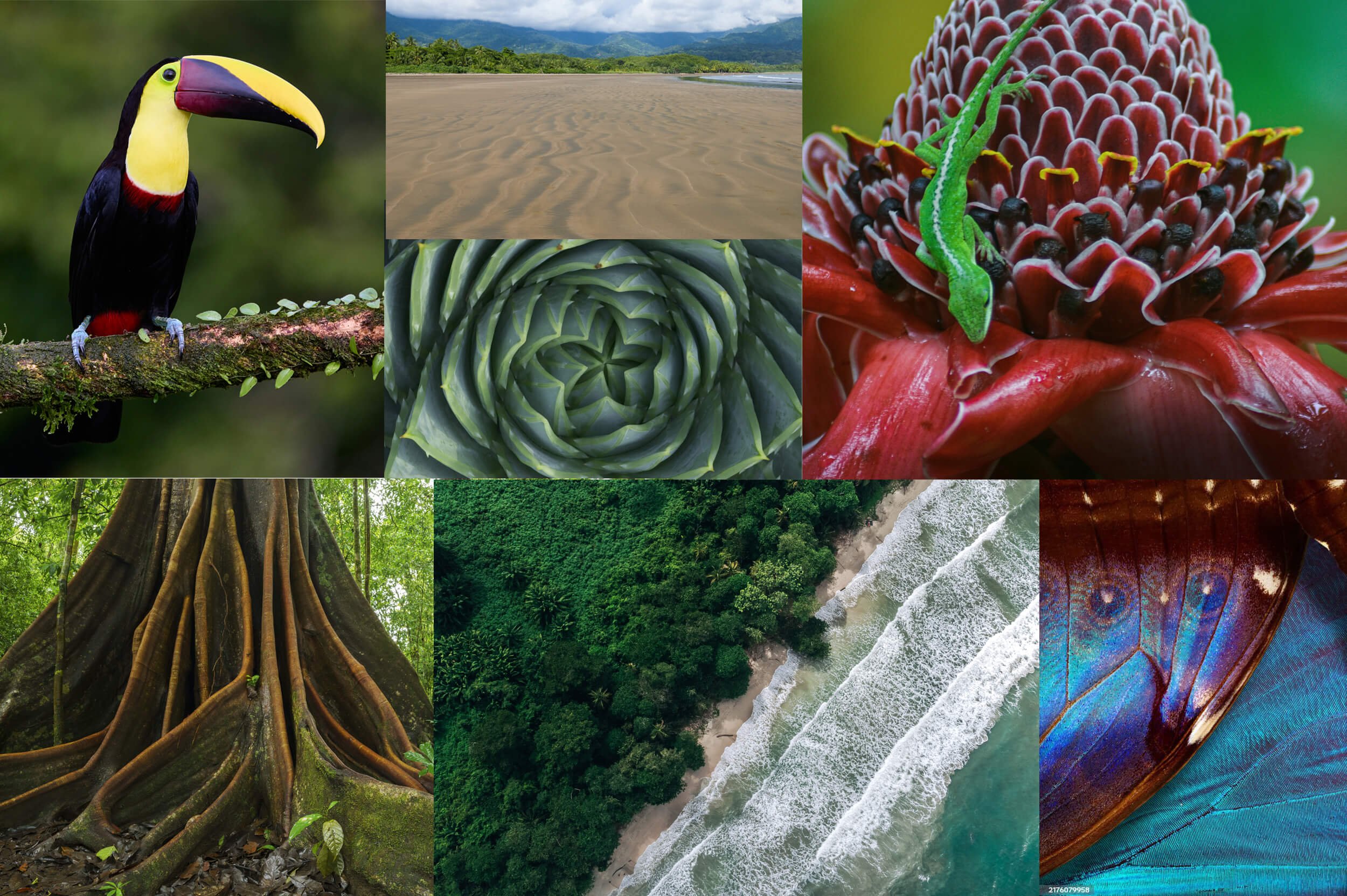
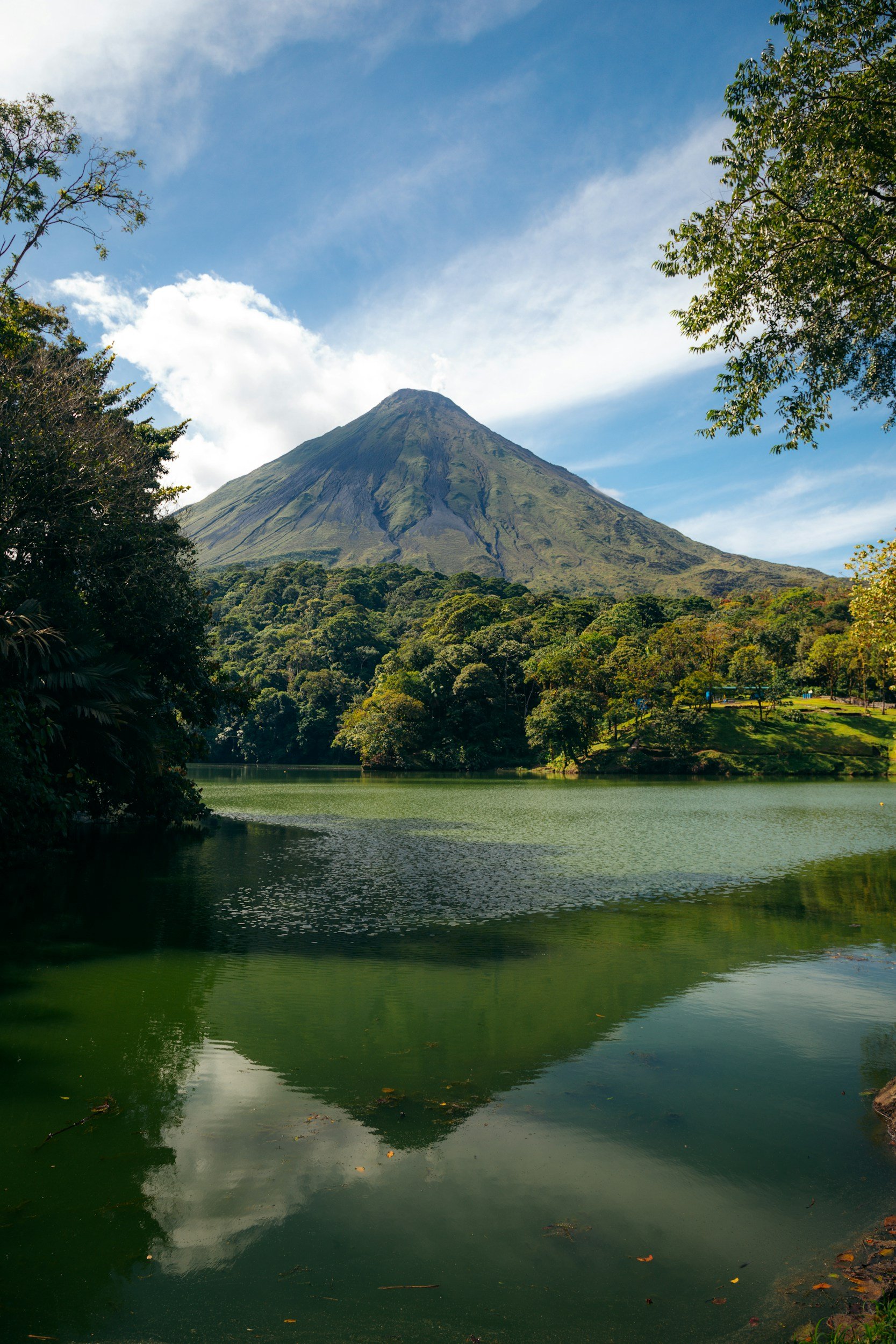
Costa Rica is the perfect place to study biomimicry because it has an astonishing range of ecosystems in a 50-mile vertical transect. One morning we were wading through tide pools studying organisms that withstand constant wave shock; that same afternoon, we were learning from enormous emergent trees in the rainforest shaped by decades of local climatic conditions and species interdependence.
In the intertidal zone, we learned about resilience under volatility: organisms that endure relentless change by anchoring deeply and bending without breaking.
In the mangroves, we learned about rooted flexibility: systems that filter toxins, buffer storms, and nurture nurseries for thousands of species.
In the rainforest, we learned about vertical integration: every layer from forest floor to emergent canopy, has a role in stabilising the whole system.
In the paramo, we learned about minimalism and efficiency: at 11,000 ft, life thrives only through extreme resourcefulness.
These lessons mirror the challenges of modern climate strategy; traits like constant change, interconnected risks, and the need for solutions that support the whole system, not just one outcome. While it is difficult for us to adapt our systems to, nature has been successfully doing this for billions of years.
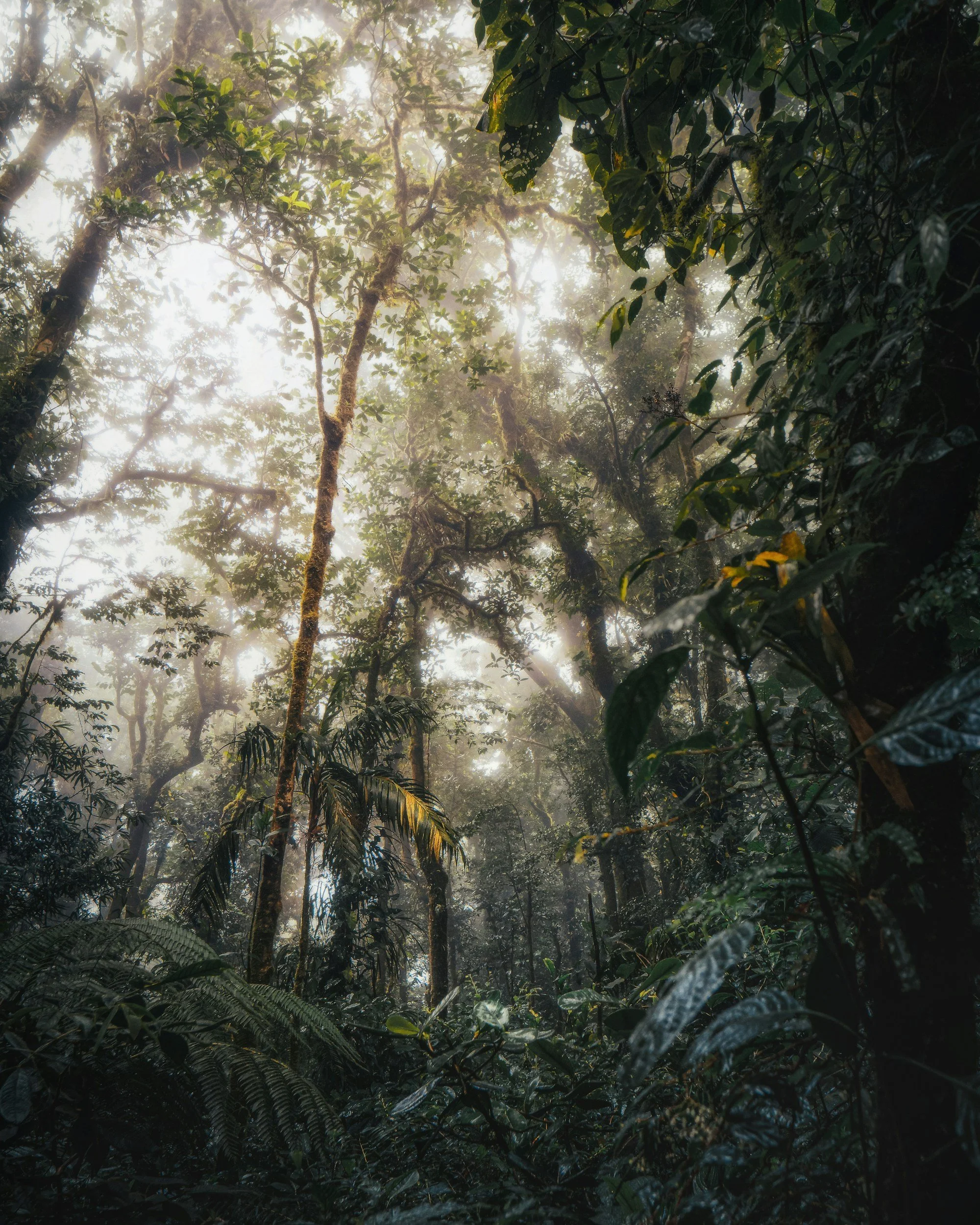
Biomimicry as a leadership framework
Biomimicry is defined as “the conscious emulation of life’s genius.” It may sound poetic, but it is deeply practical.
Conscious
Leadership requires intention. You cannot design solutions without understanding the conditions you’re designing for.
Emulation
You don’t only emulate nature’s aesthetics; you study its strategies. The same is true for design leadership: it’s not about imitation but translation.
Life’s genius
Nature has mastered energy efficiency, resource cycling, renewable power, cooperation, and decentralised networks. Our organisations should too.
When guiding teams, regardless of the industry context, I often ask myself and discuss with them:
How can we distribute agency rather than centralise it?
Where can we build regenerative feedback loops instead of extractive pathways?
How is this solution responding to real environmental and market conditions?
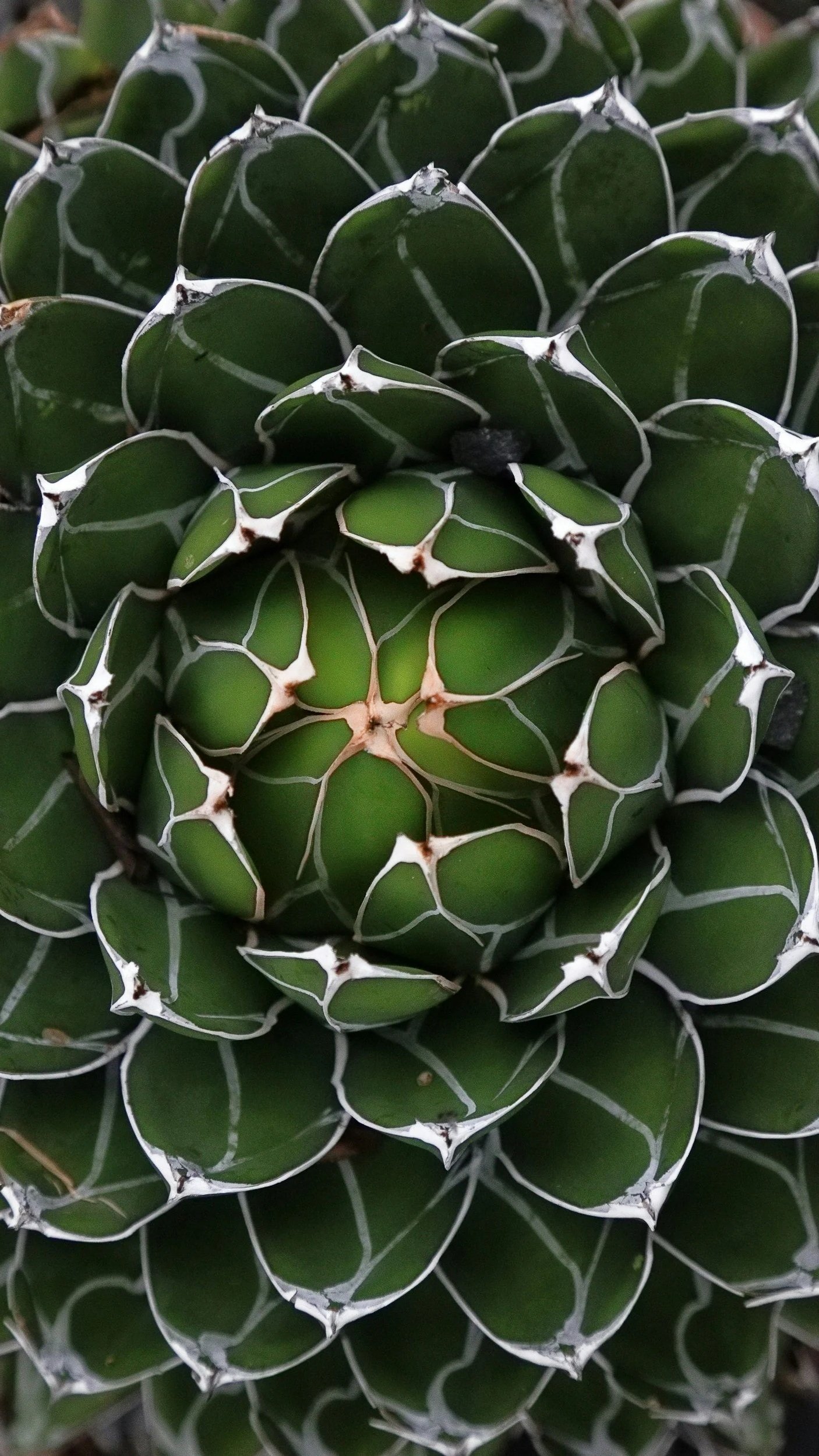
Using rainforest architecture as a metaphor for creative cities and organisations
For my final project, I studied the Ajo tree; an emergent tree species found in tropical rainforests that towers above the canopy. What struck me was not just its height, but its function.
Its presence throughout stabilises the entire forest. Its roots deepen the soil. Its canopy shelters thousands of organisms. Its body hosts ecosystems of epiphytes, insects, fungi, and birds.
To me, this seemed to bear characteristics of a creative city:
Deep roots that ground values and strong cultural foundations
Flexible, resilient trunk that mirrors infrastructure supporting change
Expansive canopy that sits over environments that nurture creativity, safety, and experimentation
Species that live on it are diverse stakeholders finding their niche in a supportive system
It is a powerful metaphor for cities as well as organisations, You don’t dominate the system, but rather hold space for it.
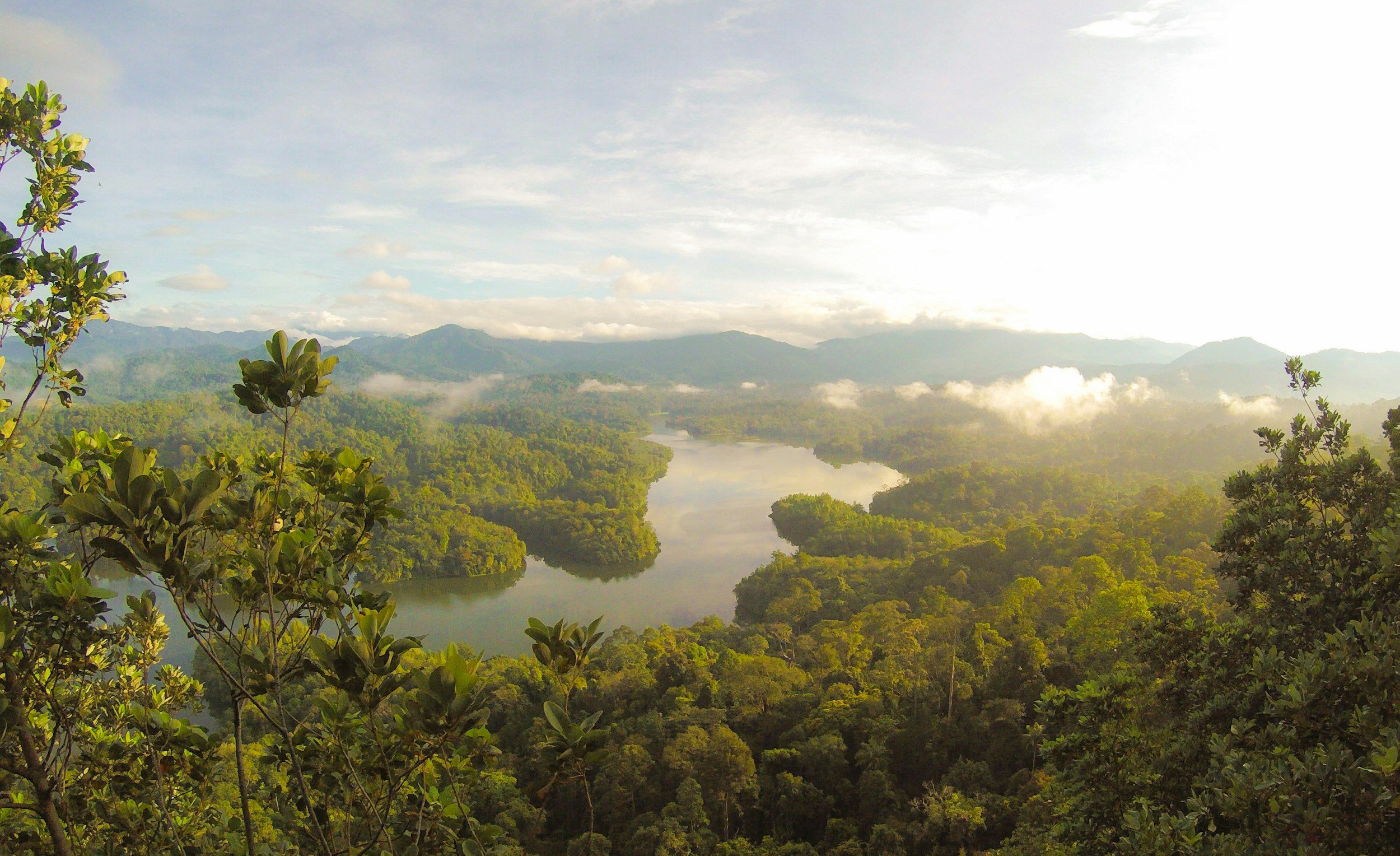
Coming home to the “real world”
■
A fascinating practice that awakened the designer, strategist and scientist in me
One of the deepest insights from this journey was realising that we are not separate from nature. We are nature. I remember so vividly the first hours of my trip, and arriving in Uvita, the Pacific Region of Costa Rica.
“Maybe it’s a good thing your phone isn’t working,” I heard over my shoulder in a French accent. I’d just met Lauren amidst the flurry of activities on the first day getting settled into a weeklong adventure. At the moment I was struggling to get a bit of WiFi in the middle of the rainforest.
It’s true, I’d come here to unplug a bit, but also to learn about a fascinating practice that awakened the designer, strategist and scientist in me.
“It’s probably better to leave the world behind… that way we can get in touch with the real world.” Her words hung in the air as we looked out over the forest and the ocean in every direction. The sounds of our surroundings rose up in agreement - wind rustling through the trees, crickets chirping, birds calling and monkeys howling in a symphony, even the waves crashing softly in the distance. All of life was revelling in itself here, every moment of every day. Pura vida. I’d soon come to find out that there wasn’t a quiet moment in this place - nature was always humming.
It was a pleasure to disconnect from technology, but to reconnect to life, all of life - and remember that it’s been evolving and adapting to this planet for the past 3.8 billion years.
Perhaps the most eye-opening part of the training was the pure wonder of it, and how much fun it was, even for a non-biologist like me! Yes, it was hard work and a lot of great information to digest, but spending time studying nature and her genius felt like coming home in a way that I’d never experienced before, even though my native Trinidad is one of the most biodiverse countries in the world.
I guess Lauren was right - we had to separate ourselves from everyday life in order to see the real world more clearly. Remembering that we aren't just observers of nature, that we are nature - that is the lesson that stays with me above all, along with the sheer optimism embedded in the knowledge that nature endures.